
The 7 Defensive Errors That Cost You Tricks (and How to Avoid Them)
Declarer sees the same 26 cards you do, but he sees them in one hand and can plan from trick one. You see half the deck, a partner across the table, and whatever the auction whispered to you. That imbalance is why more tricks change hands through defensive error than through brilliant declarer play — and why defense rewards method more than inspiration.
The encouraging part: nearly every expensive defensive mistake is a habit. Habits can be replaced. Here are the seven that show up at every level, from club duplicate to the last round of a regional, along with the thinking that fixes each one.
1. Second Hand Low, Every Single Time
Second hand low has earned its reputation. Playing low keeps your honours sitting behind declarer's, ready to take a trick on a later round, and it gives nothing away. It becomes an error the moment it costs you tempo you cannot get back.
Rise as second hand when the trick you take now is the only one you will ever get, or when winning lets you lead through declarer's strength for partner while the entries still exist. If you hold Axx in front of dummy's Kxx and the auction tells you declarer has a long side suit about to run, the ace is a card you should spend early rather than admire.
When you do play high, play the cheapest of touching honours. From KQJ, the jack does the same job as the king and leaves the other two intact.
2. Failing to Signal
Two defenders cannot see each other's cards, so every card you play is a sentence. A defender who plays spots at random is asking partner to guess, and partner will guess wrong about half the time. Agree on three signals and use them consistently:
- Attitude. When partner leads a suit and dummy does not cover, a high card encourages a continuation; a low card says you have nothing there and partner should look elsewhere.
- Count. High-low shows an even number; low-high shows odd. This matters most when declarer is running a long suit and partner must know when to take a stopper.
- Suit preference. When you give partner a ruff, or when it is clear the trick belongs to your side, the size of your card points to the suit you want back — a high card asking for the higher-ranking of the remaining suits.
Two cautions. Signal only with cards you can afford; a signal that promotes a trick for declarer is a bad trade. And do not signal when the information helps declarer more than partner — he is watching your cards too.
3. Third Hand High, Third Hand Highest
Third hand high exists so that partner's opening lead does not die on the vine. But high means high enough, not as high as you own. If partner's card is already going to win the trick, let it. If dummy has played a card you cannot beat, play a spot and keep your honours for a round that matters.
The waste is easy to spot after the fact: you jump in with an ace, dummy's king wins later anyway, and the trick you just spent was the one that should have been the setting trick. Count the trick before you take it.
4. Covering Honours on Autopilot
Cover an honour with an honour — when doing so promotes something. If your cover turns partner's ten into a trick, or cuts declarer's entries to a long suit, cover with confidence. If nothing is promoted, you have simply donated a card.
You hold Kx behind dummy's AQ. Declarer leads the queen from dummy. Covering gives the ace a trick it already owned and throws your king away. Duck, and the king may well take the third round of the suit. The general rule: cover the last honour of a sequence, not the first, and only when a card of yours or partner's becomes good as a result.
5. Ducking and Winning at the Wrong Moment
At notrump, the hold-up play wins matches. Dummy holds two small cards, you hold Axx, and declarer attacks the suit. Take the ace on the first round and dummy's small cards become winners once the suit is established; the opponents' fifth card is a stopper you gave away. Duck twice, and declarer is left holding a suit he cannot reach.
The opposite error is just as expensive. Refusing to cash a winner while declarer is running a long suit lets him discard losers on his good cards. Before every trick in the middle game, ask how many entries declarer has left and what he will do with them.
6. Defending Without a Plan
Before the opening lead, build a picture. What did the bidding say about declarer's shape and strength? Where are the missing high cards, and whose side are they on? How many tricks do you need, and where is the most likely source? Those four questions take twenty seconds and save tricks.
The plan also decides whether you continue partner's suit or switch. Returning partner's suit out of habit is a common way to lose a tempo — if the auction says declarer has a double stop and a running side suit, the setting trick is somewhere else, and it needs to be built now.
A Ten-Second Routine for Every Trick
Good defense is not memory, it is method. Before you play a card, run this:
- What has the bidding and play told me about declarer's hand and the missing honours?
- What is declarer trying to do this trick, and what will he want to do next?
- Which card in my hand does the most good right now — and is the card I was about to play, or the one I was about to duck, actually the one that wins this trick?
Play the card that fits this trick, not the card that fit last week. Do that consistently and the seven errors above stop being habits and start being the things you notice in partner's game instead of your own.
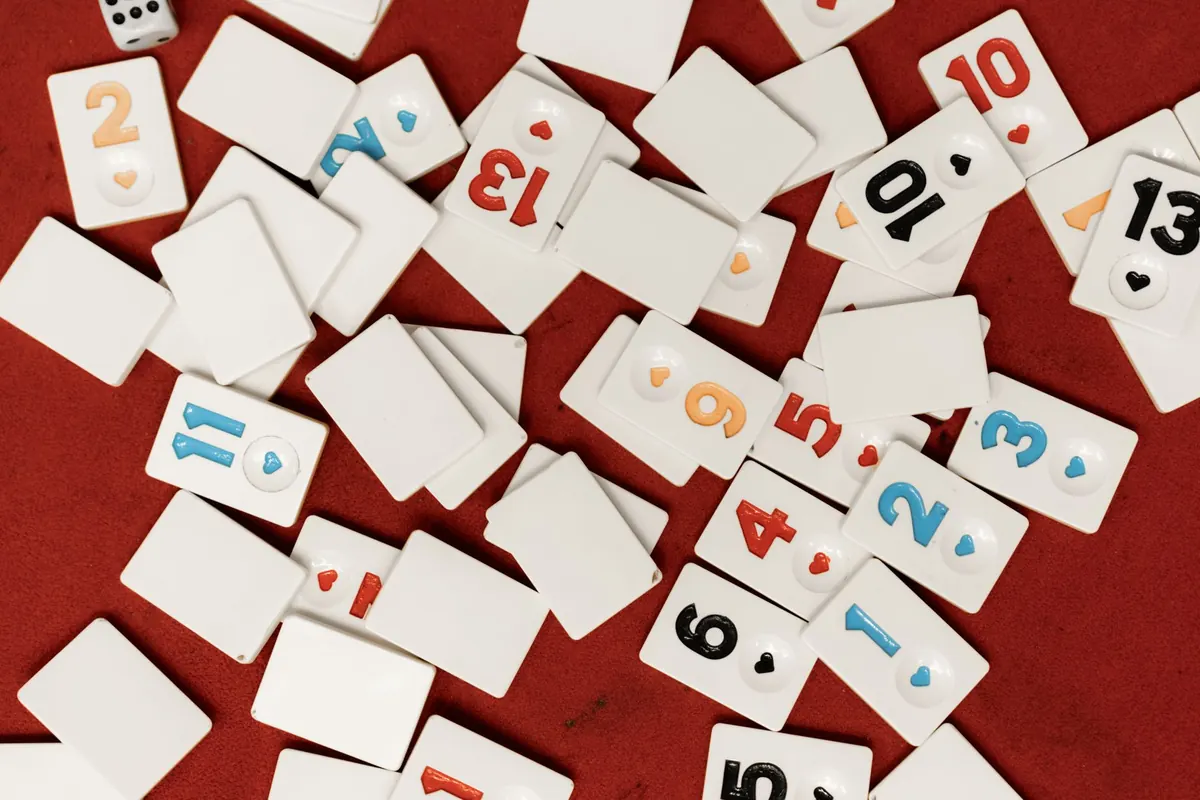
Photo: Pexels / Pixabay

Summer Bridge in the Park: How to Organize a Casual Outdoor Game
A shade tree, a folding table and a plan: how to run a friendly outdoor bridge game that survives wind,...
Teams vs. Pairs Scoring: How the Strategy Changes at Every Level
Matchpoints rewards overtricks and field awareness; IMPs rewards safety and arithmetic. Here's how the...
About Us